Léon Delachaux,
painter and photographer
“It is intriguing how much Léon Delachaux can say about the walls, the furniture, and the old stones that have witnessed our life, our sorrows and our joys, when he knows how to extract from them that which we have left of ourselves.”
Max Doumic, “Les Salons de 1910”, Le Correspondant, 1910
Born in 1850, Léon Delachaux spent his childhood in Switzerland, his adolescence in Egypt, and then left for the United States in 1872. He returned to France in 1883.
Hailing from a family of Swiss watchmakers, he began as an engraver of watch cases in Philadelphia. In 1875, he married Marie-Appoline Noël, known as Pauline, a Frenchwoman with whom he had a son, Clarence. Léon Delachaux was twenty-six years old and a father by the time he turned to painting. He trained at the Pennsylvania Academy of the Fine Arts (PAFA), where he studied painting. From then until the end of his career, he was able to earn his living as an artist and also to learn about photography. Among his early works is a series of portraits of Black Americans, which are among the first contemporary portraits of Black people painted by a European artist.
On his return to France in 1883, Léon Delachaux settled in the international colony gathered in Grez-sur-Loing, where he met painters from all over the world.
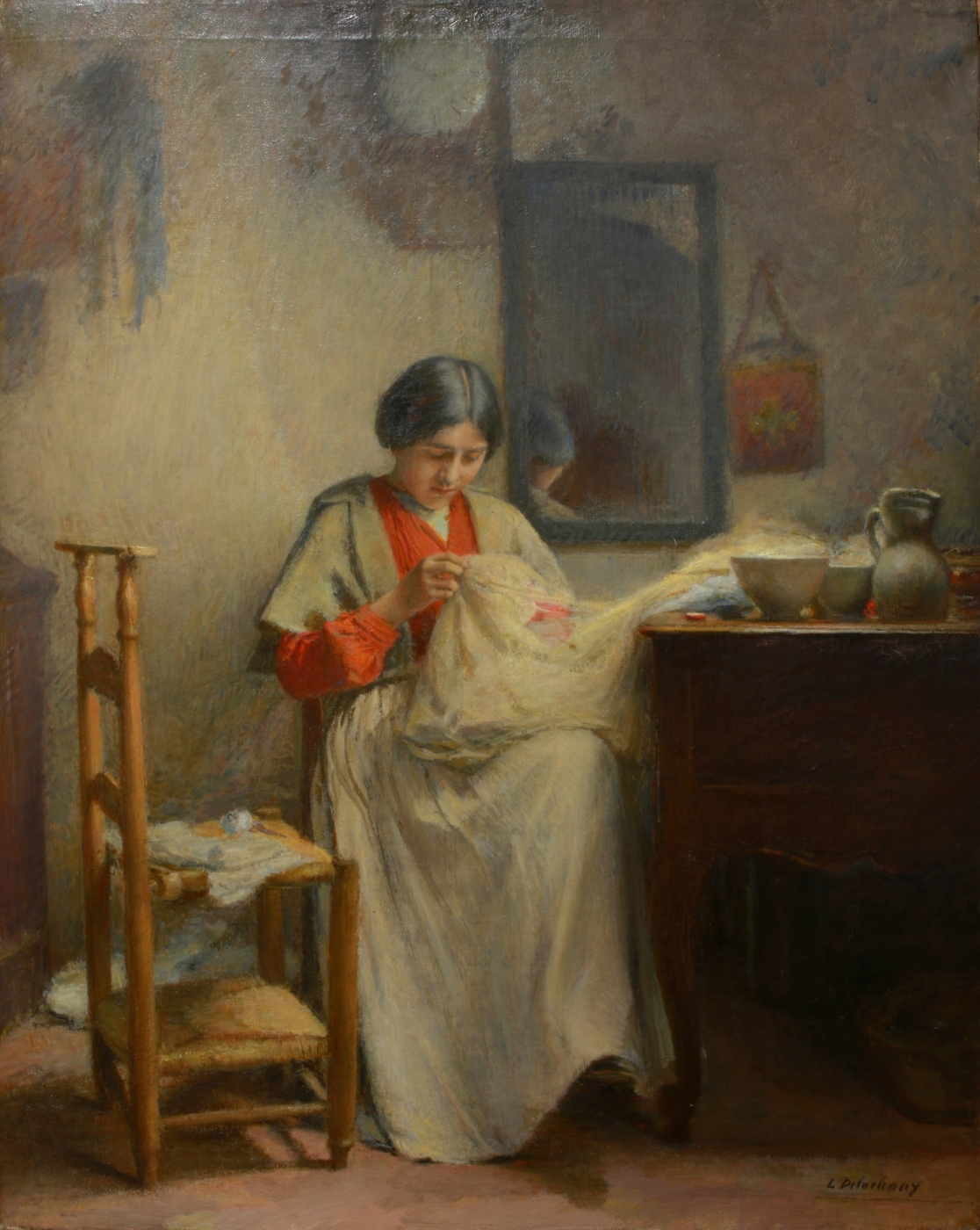
Influenced by the Dutch Golden Age, he worked on scenes depicting rural interiors and women at work, a theme that he pursued throughout his career.
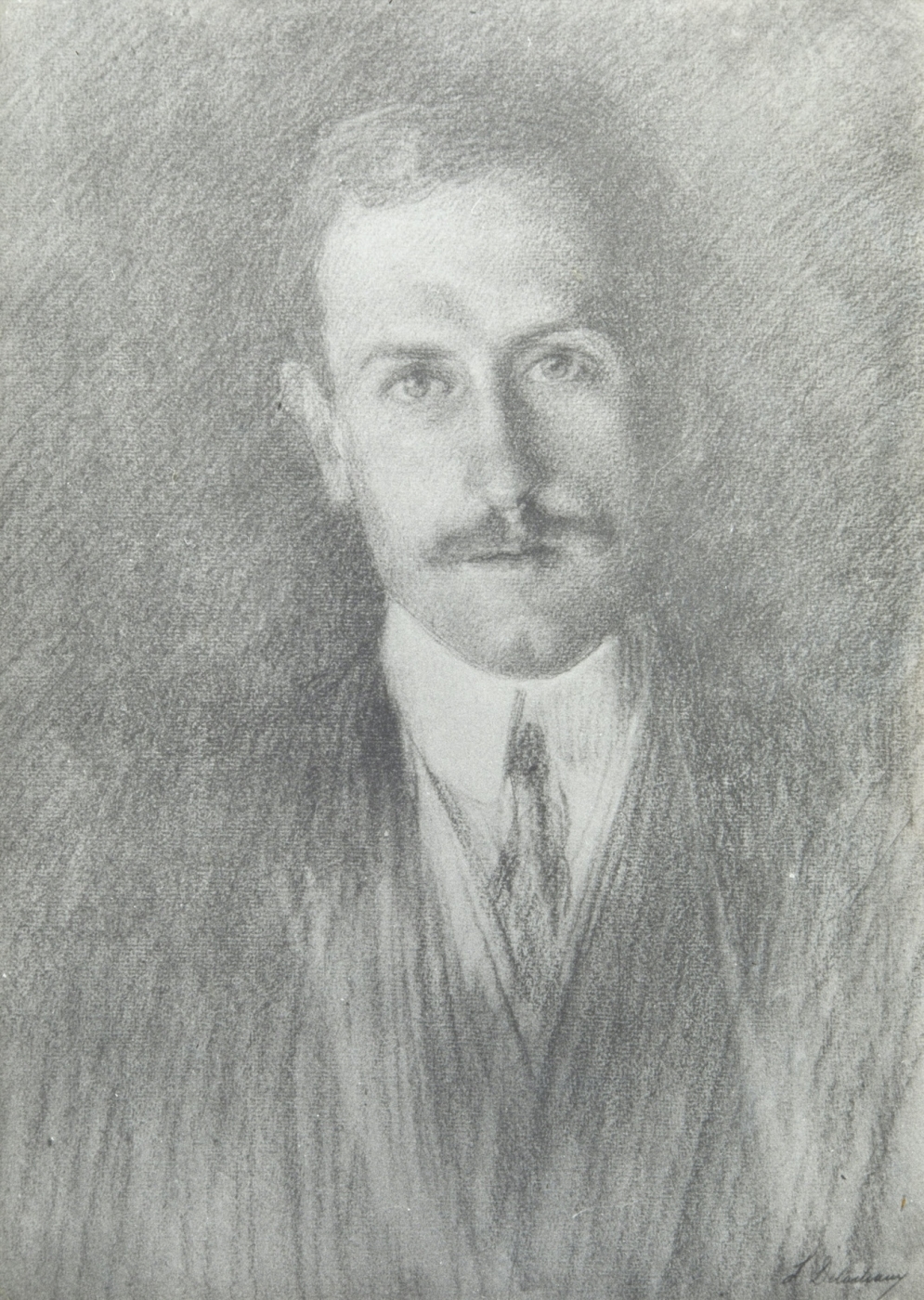
The Delachaux family moved to Montmartre, Paris, in 1888, alternating with stays in the countryside to spare the artist’s fragile health. A period, spanning from 1887 to 1905, of major portraits ensued, marking the height of the painter’s career. In the vein of Thomas Eakins (1844–1916)—who he studied under at the PAFA—Léon Delachaux’s portraits reveal the dignity of his models, whose inner nature he subtly brings to the surface.
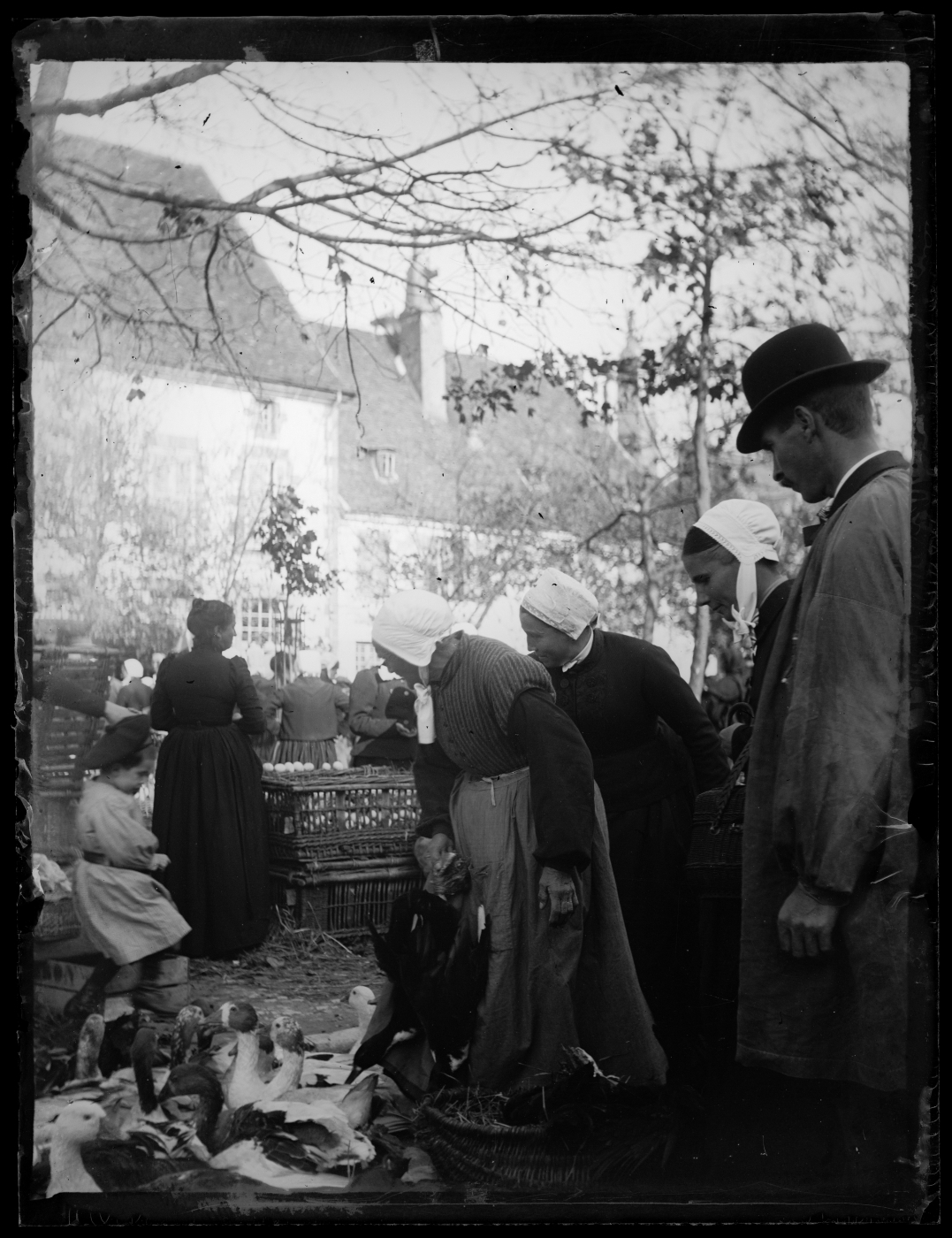
Around 1900, he moved to Saint-Amand-Montrond, in the center of France, where he lived until his death in 1919. A large collection of photographs from this period—taken by the artist—records the importance of this practice in his creative process. Delachaux carried out this practice from the beginning to the end of his career as an artist.
He exhibited internationally all his life and was a regular at the Salons. It is as a portraitist that he excelled and was most noted by the press in his time.